

FX2 FPGA & ARM boards
USB-2 high-speed boards based on Xilinx / Altera FPGAs and Philips's ARM processor.
There are currently eight boards available.
| Board (picture) | Saxo-L | Xylo | Xylo-E | Xylo-EM | Xylo-L | Xylo-LM | Saxo-Q | Dragon-E |
|---|---|---|---|---|---|---|---|---|
| Main interface(s) | USB | USB | USB | USB | USB | USB | USB | USB & PCI-E |
| FPGA (vendor page) | Altera EP1C3 | Altera EP1C3 | Xilinx XC6SLX9 | Altera EP2C5 | Xilinx XC3S500E | Xilinx XC3S500E | Altera EP2C5 | Xilinx XC5VLX20T |
| Datasheet (pdf) | Cyclone | Cyclone | Spartan-6 | Cyclone II | Spartan-3E | Spartan-3E | Cyclone II | Virtex-5 |
| Logic cells | 2910 | 2910 | 9152 | 4608 | 10476 | 10476 | 4608 | 12480 |
| FPGA boot-PROM | 1Mbit | 1Mbit | 4Mbit | 4Mbit | 4Mbit | 4Mbit | 4Mbit | 8Mbit |
| IOs / clocks | 40 / 4 | 36 / 4 | 32 / 5 | 17 / 3 | 104 / 7 | 58 / 5 | 0 / 3 | 130 / 13 |
| PLLs/DCMs | 1 / 0 | 1 / 0 | 2 / 4 | 2 / 0 | 4 / 0 | 4 / 0 | 2 / 0 | 1 / 2 |
| ARM processor (vendor page) |
LPC2132/ LPC2138 |
- | - | - | LPC2132/ LPC2138 |
LPC2132/ LPC2138 | - | - |
| SDRAM | - | - | 16Mbit | 16Mbit | - | 256Mbit | - | - |
| SD card | - | - | optional | - | - | - | - | - |
| Ethernet | - | 10BASE-T | optional | 10BASE-T | 10BASE-T | 2 x 10BASE-T | - | - |
| I2C master/bus | yes | yes | yes | yes | yes | yes | yes | yes |
| High-speed USB-2 | yes | yes | yes | yes | yes | yes | yes | yes |
| Text LCD connector | yes | yes | yes | - | - | - | - | yes |
| Graphic LCD ready | yes | yes | yes | yes | yes | yes | yes | yes (LVDS) |
| Video connector | - | VGA | HDMI | VGA (note 2) | - | - | - | - |
| Analog outputs (DAC) | - | - | - | - | - | - | 2x10-Bit 165MSPS | - |
| Analog inputs (ADC) | - (note 1) | - (note 1) | - (note 1) | - (note 1) | - (note 1) | - (note 1) | 4x8-Bit 200MSPS | - (note 1) |
| Dimensions (mechanical drawing) | 44x60mm | 57x60mm | 57x60mm | 57x60mm | 81x82mm | 81x77mm | 84x77.5mm | 122x89mm (note 3) |
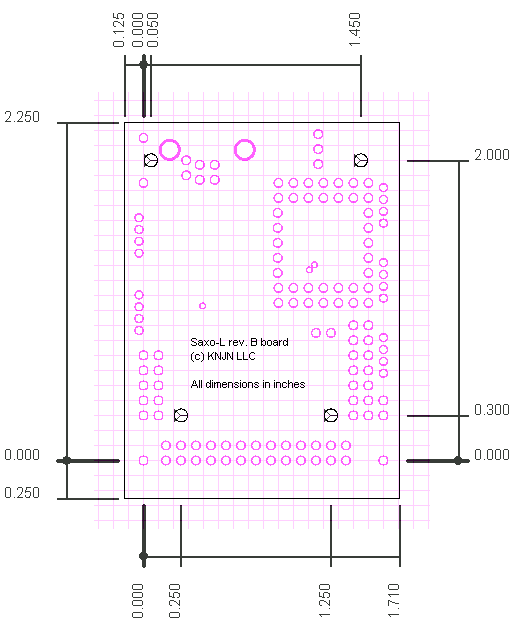
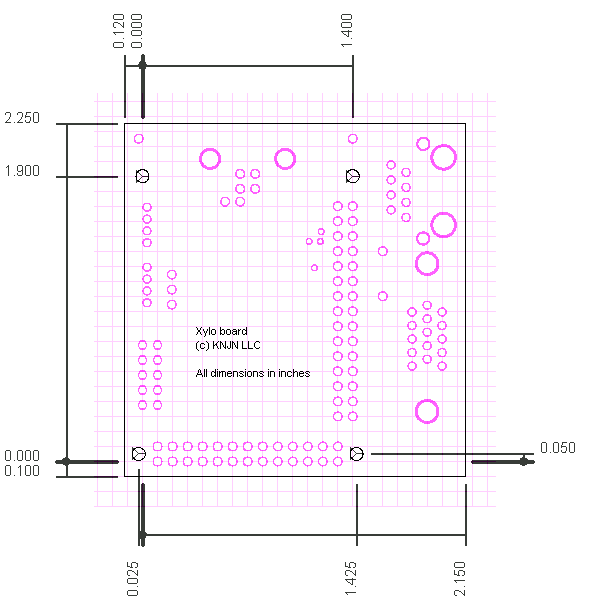
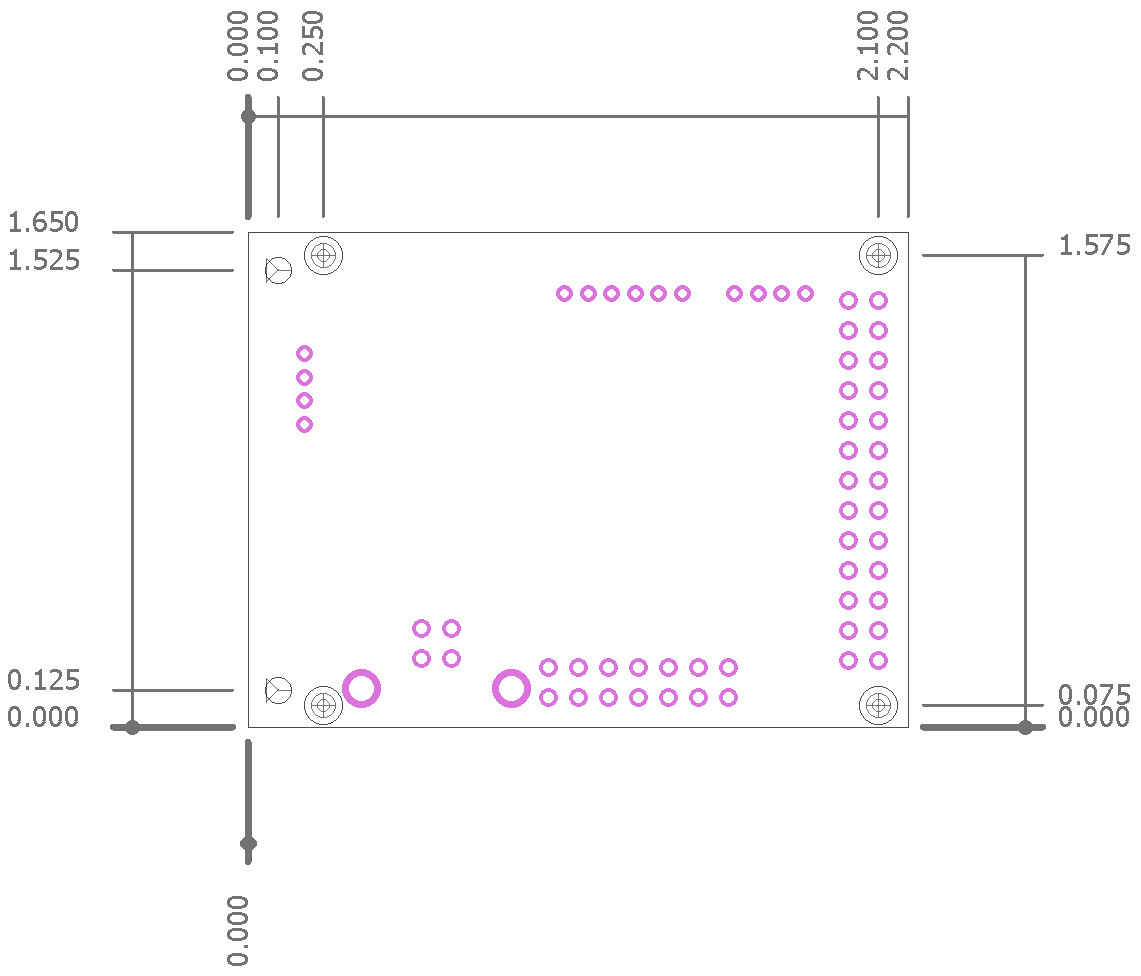
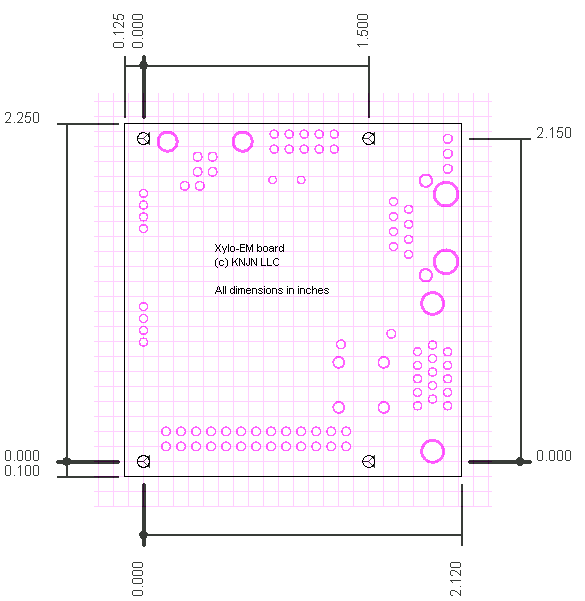
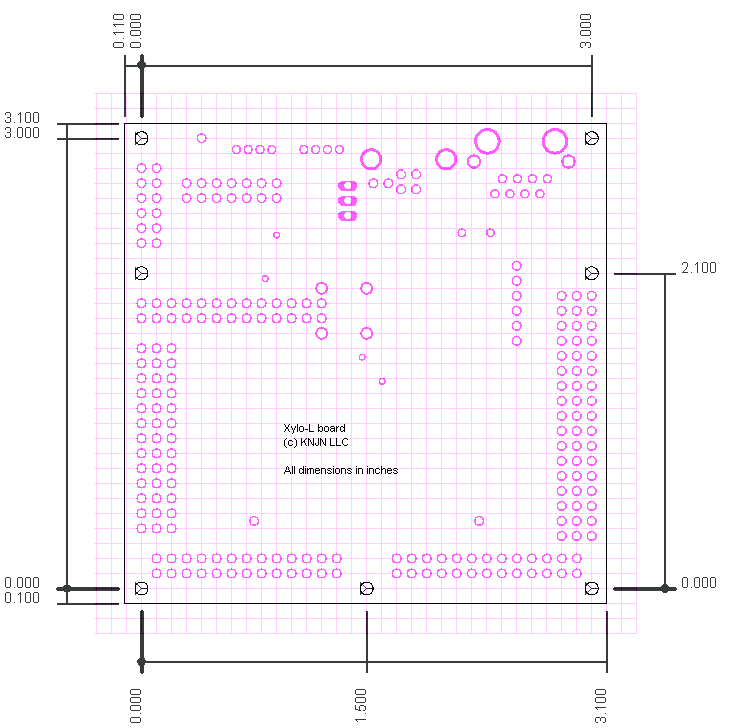
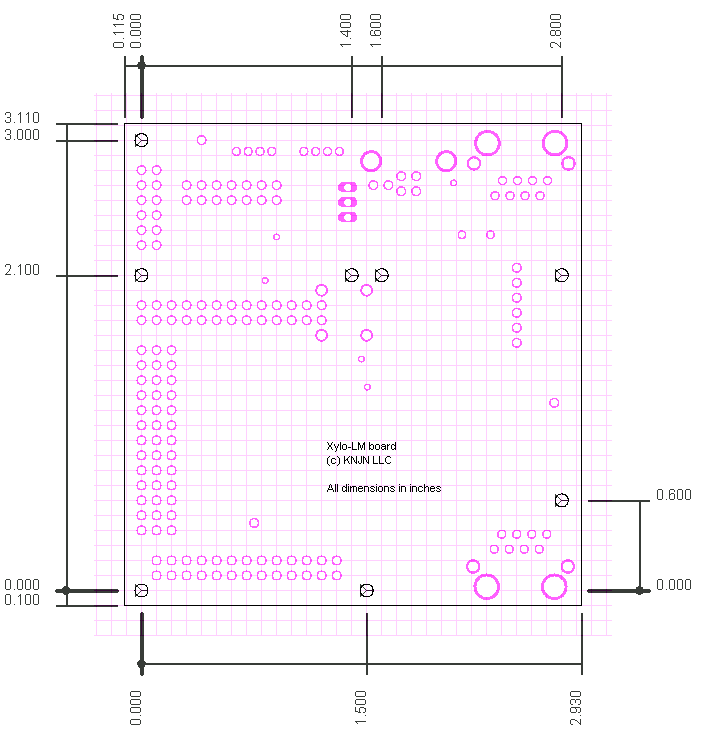

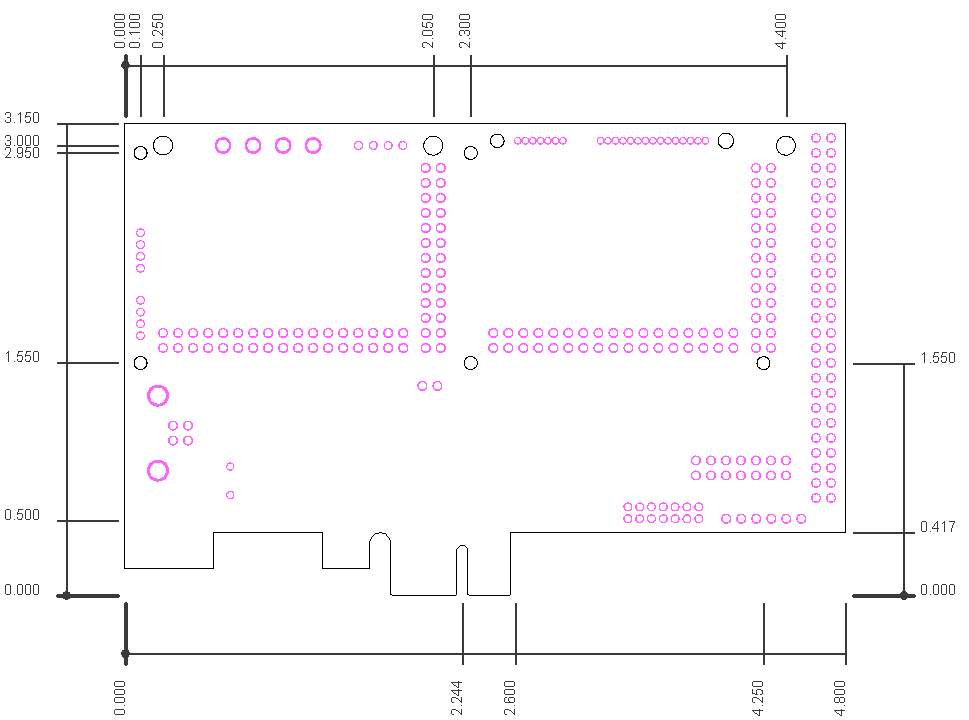
Note 1: Boards are FlashyD ready (dual high-speed analog inputs). FlashyD is sold separately.
Note 2: Five VGA IOs are shared with the IOs of the main board header.
Note 3: Dimensions don't include the PCI Express connector.
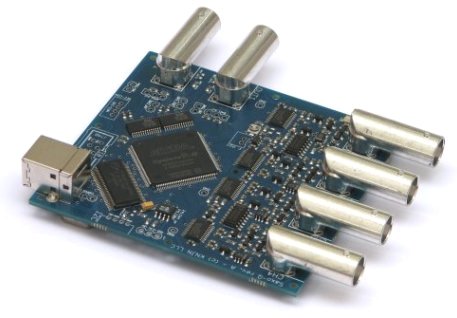
See for example pictures of "Xylo-LM" and "Saxo-Q".

What is provided with the boards
The boards are controlled from USB-2 - no JTAG cable or power supply required. They come with documentation, tutorials, source files and tools.
Main files:- Board documentation (view online for FPGA and ARM) (PDF)
- Configuration software and USB driver, compatible with Windows XP 32bit up to Windows 10 64bit
- OpenOCD software (Windows EXE) (Saxo-L & Xylo-L/-LM only)
- FPGA JTAG-over-USB emulation (8051 hex file) (Saxo/-L & Xylo/-EM only)
- FlashyDemo (FPGA bitfile + GUI)
- I2C PC control (C source code)

- LED, PushButton, Serial (HDL source code)
- USB-2 LED control, USB-2 text LCD control and USB-2 bi-directional communication (HDL + C source code)
- FlashyMini (HDL + C source code)
- VGA/HDMI pong game (HDL source code) (Xylo/-E/-EM only)
- Ethernet UDP (HDL + C source code) (Xylo/-E/-EM/-L/-LM only)
- USB-2 SDRAM control (HDL source code) (Xylo-E/-EM/-LM only)
- SD card reader (HDL + C source code) (Xylo-E option)
- LEDblink/LEDglow, SPI/SSP (C source code) (Saxo-L & Xylo-L/-LM only)
Special requirements
For Saxo-L & Xylo-L/-LM (with ARM processor) Eclipse IDE:- About 100MB internet download
- About 300MB disk space
To purchase a board
Go to the Shop - FX2 FPGA development boards page.